
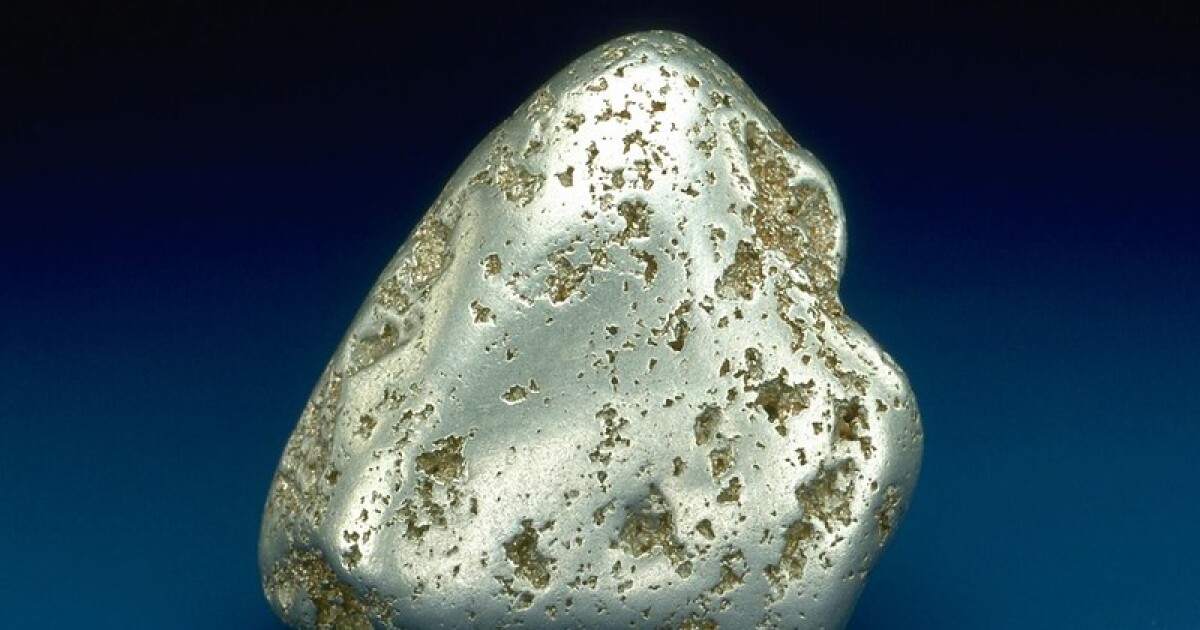
Platinum is a key industrial catalyst because its electronic structure gives it an exceptional ability to accelerate oxidation and hydrogenation chemical reactions. Among its uses are in catalytic converters in automobiles and in fuel cells that generate electricity from hydrogen. Catalysts are also critical for methods of upcycling plastic waste and converting old plastics into high-quality new products.
However, platinum is one of the rarest precious metals in the Earth’s crust. Its concentration is about 0.005 parts per million, making it 15-30 times rarer than gold.
Scientists at the University of Rochester in New York have achieved several key advancements that could make tungsten carbide a viable alternative to platinum in some chemical reactions.
In particular, the researchers showed how tungsten carbide can be used for hydrocracking, which is the process by which big molecules are chemically broken down into smaller molecules. Hydrocracking is commonly used in oil and gas refining but hasn’t been effective for breaking down plastic waste.
In the new study, the researchers identified a particular phase of tungsten carbide that is particularly effective as a catalyst. When it is made in this phase, it has metallic and acidic properties that are good for breaking down the carbon chains in plastic polymers. Not only is it less costly than platinum catalysts for hydrocracking, it is over 10 times more efficient. The work represents important new opportunities for improving catalysts and turning plastic waste into new materials.