
Thank you for opening your Chartbook email.
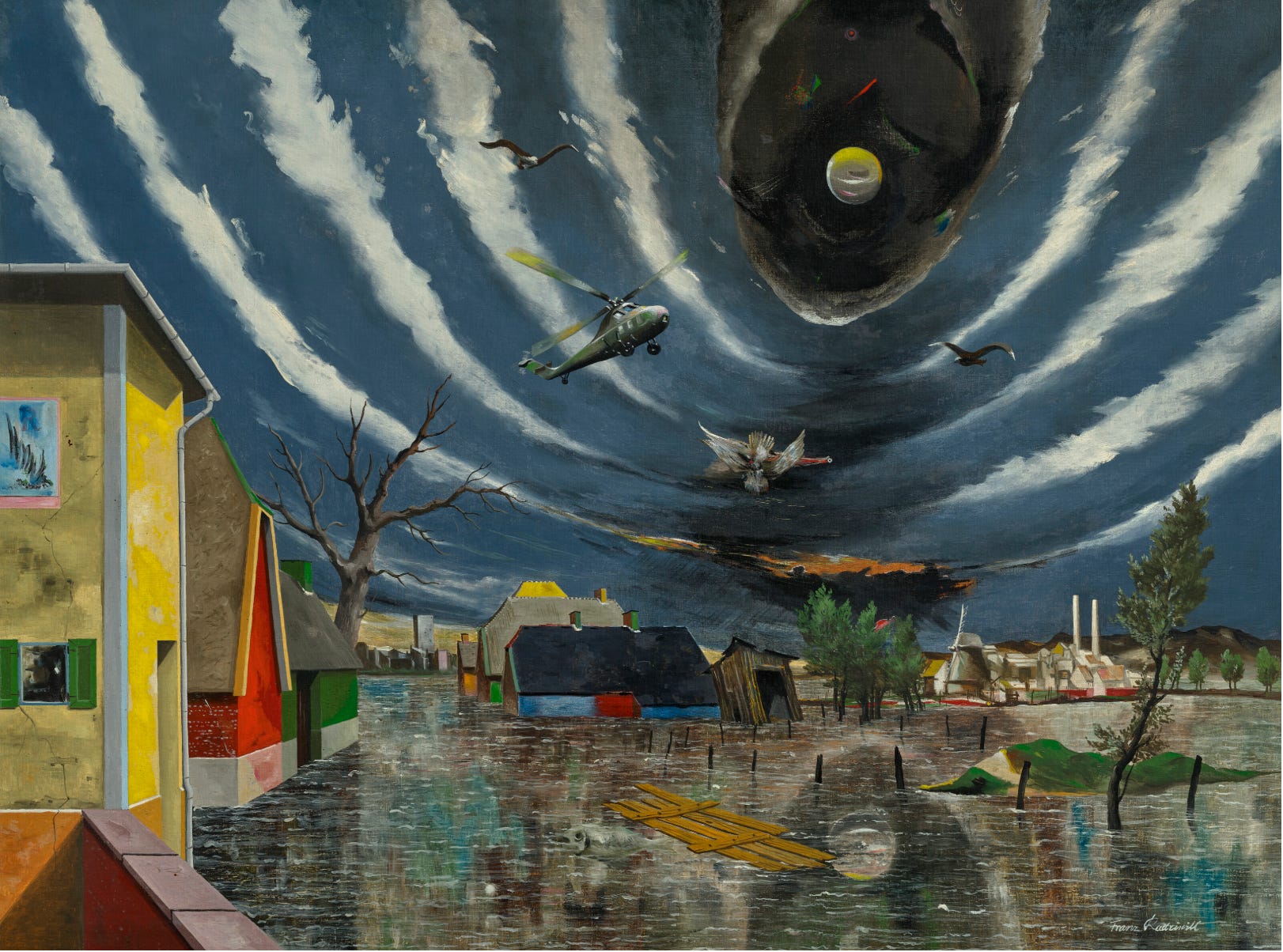
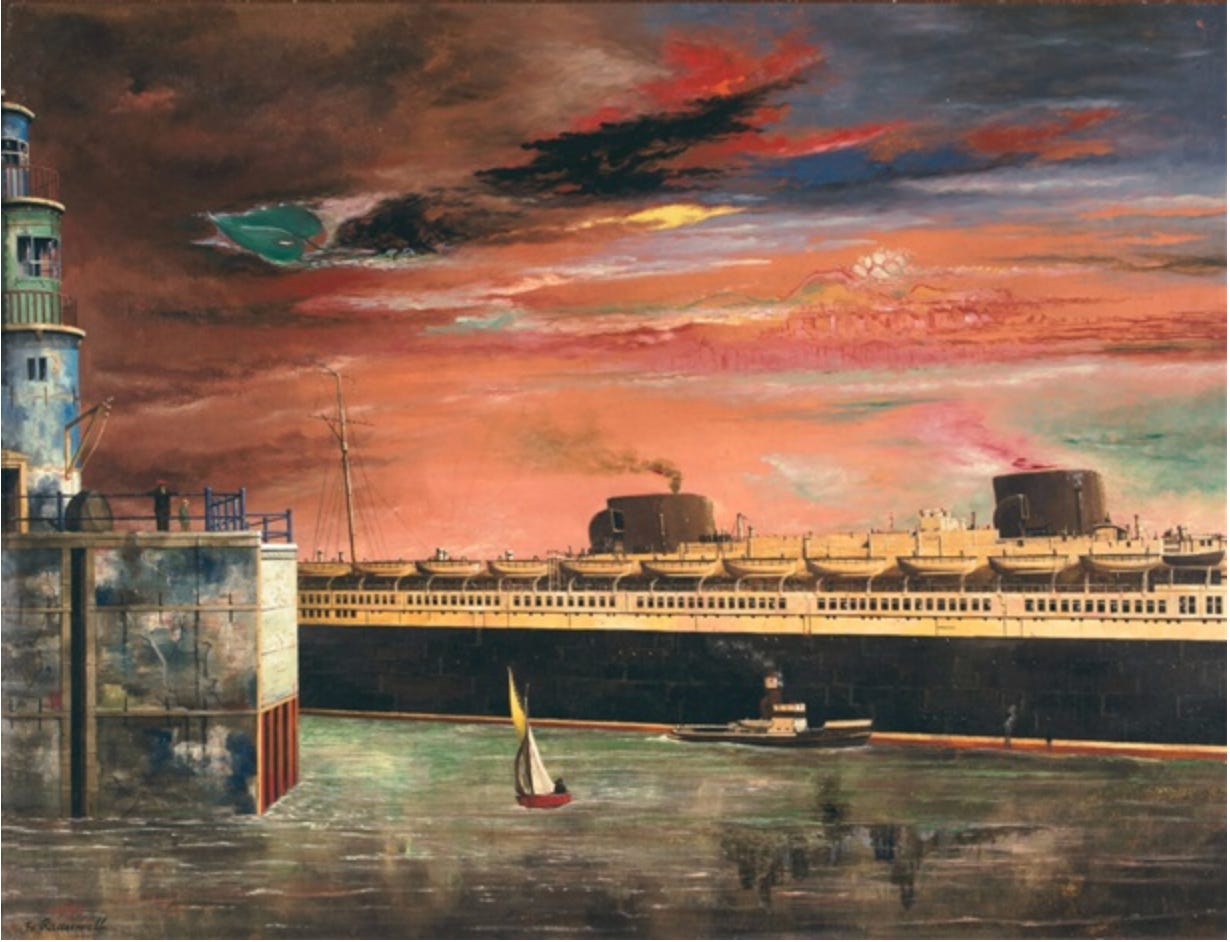
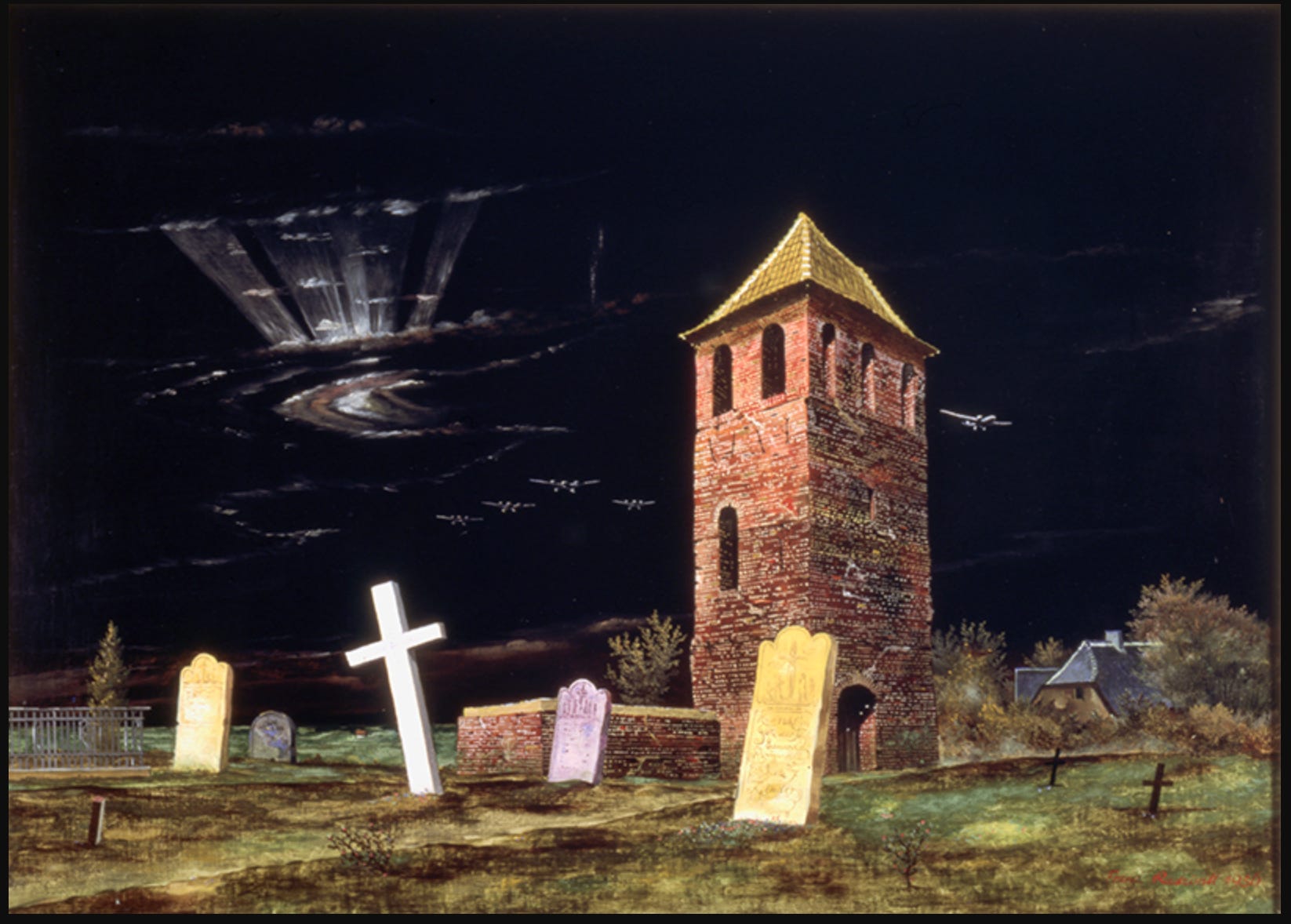
FRANZ RADZIWILL (1895-1983). Hochwasser (das Wasser steigt)
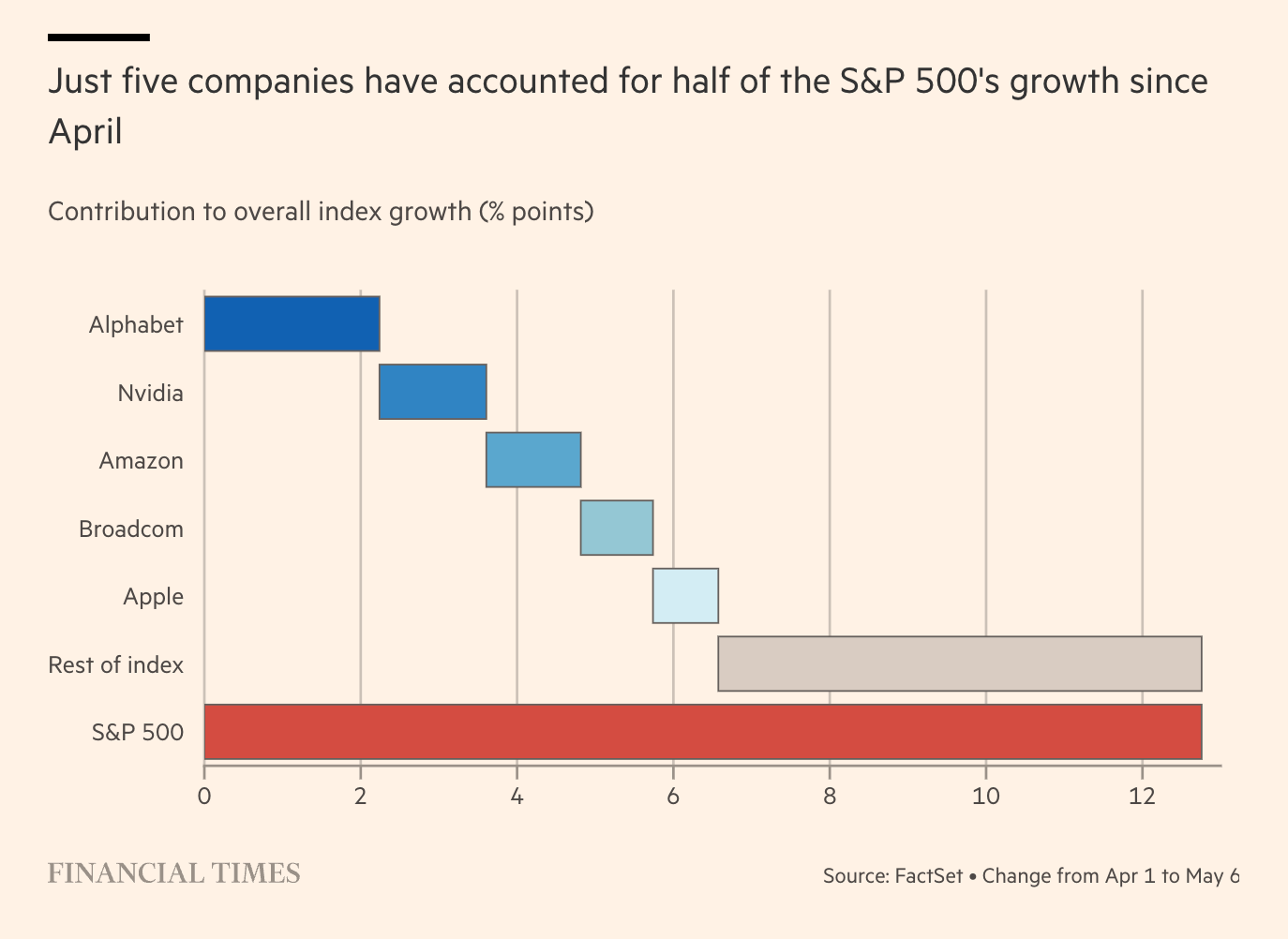
Source: FT
The UAE view on OPEC from the UAE’s ambassador to the United States, Yousef Al Otaiba
Opec was built for oil-dependent states. The UAE hasn’t been one for a long time. As Abu Dhabi, we joined Opec before we were even a nation. Later as the UAE, we were a young country whose economy depended almost entirely on oil revenues. Opec’s framework — collective production management, shared discipline, co-ordinated pricing — made sense for a state new to international energy markets and the global economy. It offered expertise, stability and leverage that a small, newly independent country could not generate on its own.
But that country no longer exists. Less than a quarter of our GDP is now tied to energy. Aviation, logistics, advanced manufacturing, artificial intelligence, tourism and life sciences are our fastest-growing sectors. In the past four years we have signed 35 comprehensive economic partnership agreements (of which 15 are already operational) with India, South Korea, Indonesia, Ukraine, Israel, Kenya, Malaysia, Vietnam, Jordan and others — broadening access to markets covering billions of people.
We are advancing a bilateral trade agreement with the European Union. We have committed to a $1.4tn investment and technology partnership with the US. This is not the profile of a country whose primary interest is managing oil supply within a collective framework. The past year has reminded every government and every household what energy insecurity actually feels like. Regional instability has disrupted supplies, driven prices towards record levels, and imposed real costs on consumers, farmers and businesses from Des Moines to Delhi.
The lesson is not complicated: the world needs more reliable, affordable energy — and it needs producers who can deliver it. The UAE’s interest is in a stable neighbourhood, not a volatile one — and our energy policy, like our foreign policy, is oriented towards that goal. We have significant spare capacity and the infrastructure to expand it. We plan to invest tens of billions of dollars in new pipelines, port upgrades and hardened logistics to ensure our energy reaches the markets that need it, regardless of what happens around us. Our production capacity target is 5mn barrels per day by 2027.
But within a collective production framework, that capacity sits idle. Leaving Opec is therefore not a commercial calculation alone; it is a responsibility. The UAE has the capacity to contribute to global energy security and international economic stability at a moment when that security and stability is genuinely at risk. We intend to do so.
Our revenues from expanded production will not simply accrue. They will be recycled into infrastructure investments across the developing world. Masdar, our renewable energy company, has spent twenty years building capacity across 40 countries, including the US. The Barakah nuclear plant — the Arab world’s first — is operational and generating clean baseload power. ADNOC has allocated tens of billions of dollars to advance lower-carbon solutions through XRG, its new international investment arm. We are not choosing between oil and the energy transition. We are funding one with the other.
Source: FT
The rise of Asia – one of many excellent graphs from Branko Milanovic’s latest: The Great Global Transformation (2026)
For contributing subscribers only.
HEY READERS,
THANK YOU for opening the Chartbook email. I hope it brightens your day.
I enjoy putting out the newsletter, but tbh, what keeps this flow going is the generosity of those readers who clicked the subscription button.

Photo by Jakub Dziubak on Unsplash
If you are persuaded to click, please consider the annual subscription of $50. It is both better value for you and a much better deal for me, as it involves only one credit card charge. Why feed the payments companies if we don’t have to.
Where Spain’s booming immigrant population comes from.
For contributing subscribers only.
LatAm is pushing for better work-life balance
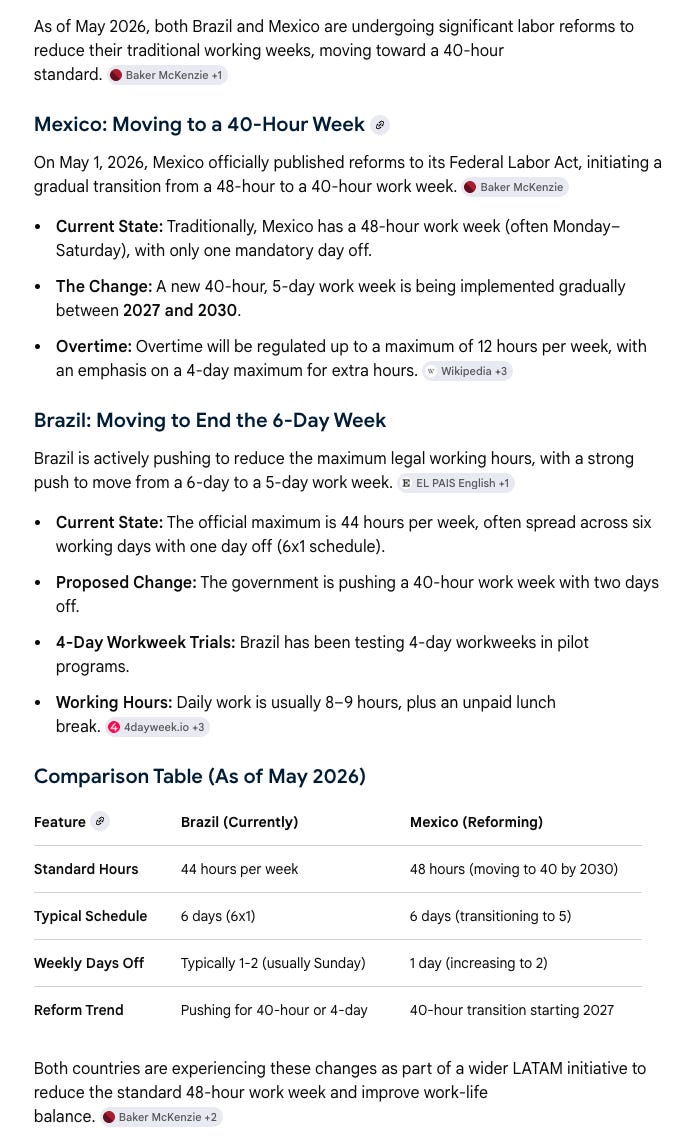
Meanwhile, in Argentina Millei is pushing to legalize a 12-hour day.
Source: The Guardian
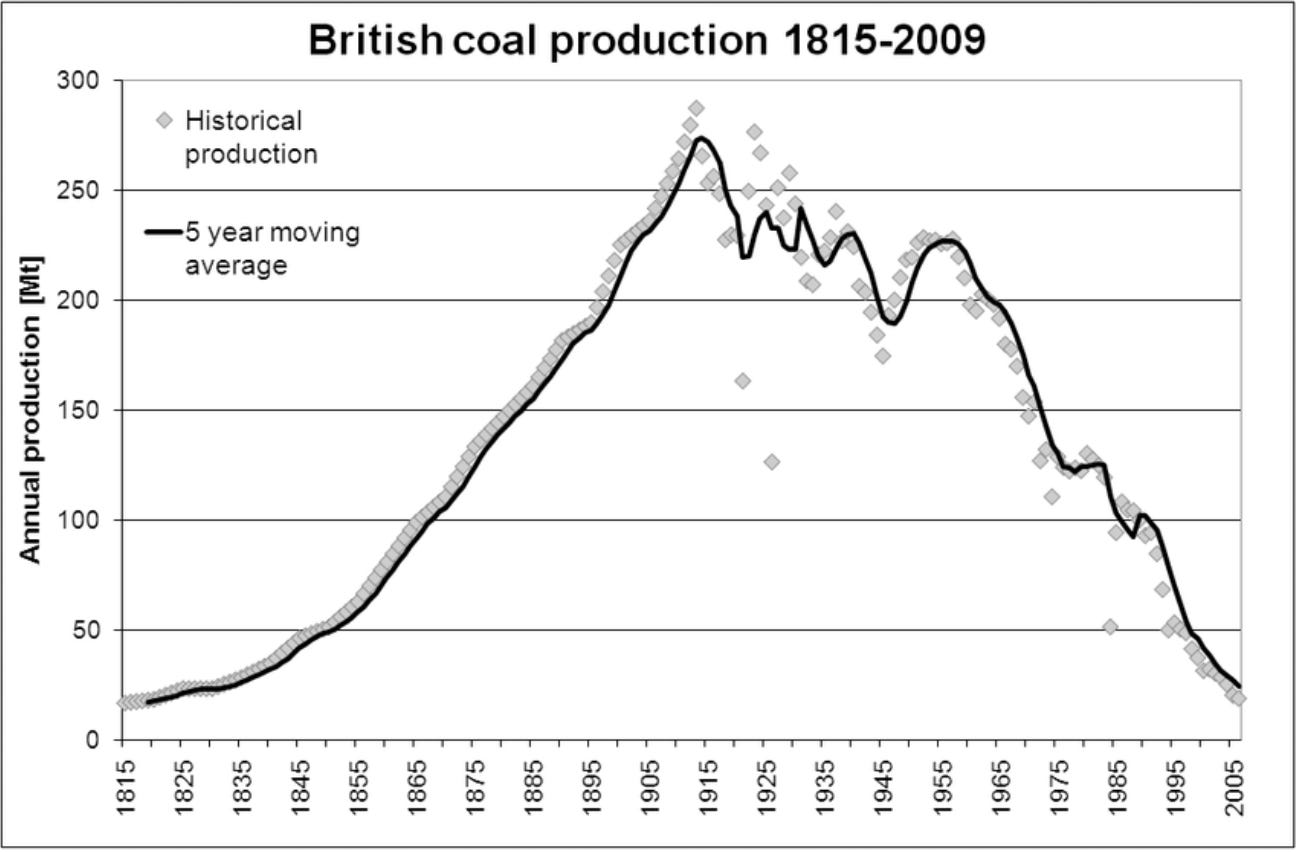
The dramatic arc of British coal production
Franz Radziwill 1895–1983 Die Mole (Hafeneinfahrt mit der “Bremen”), 1930
Manchester Guardian’s response to the British General Strike of May 1926
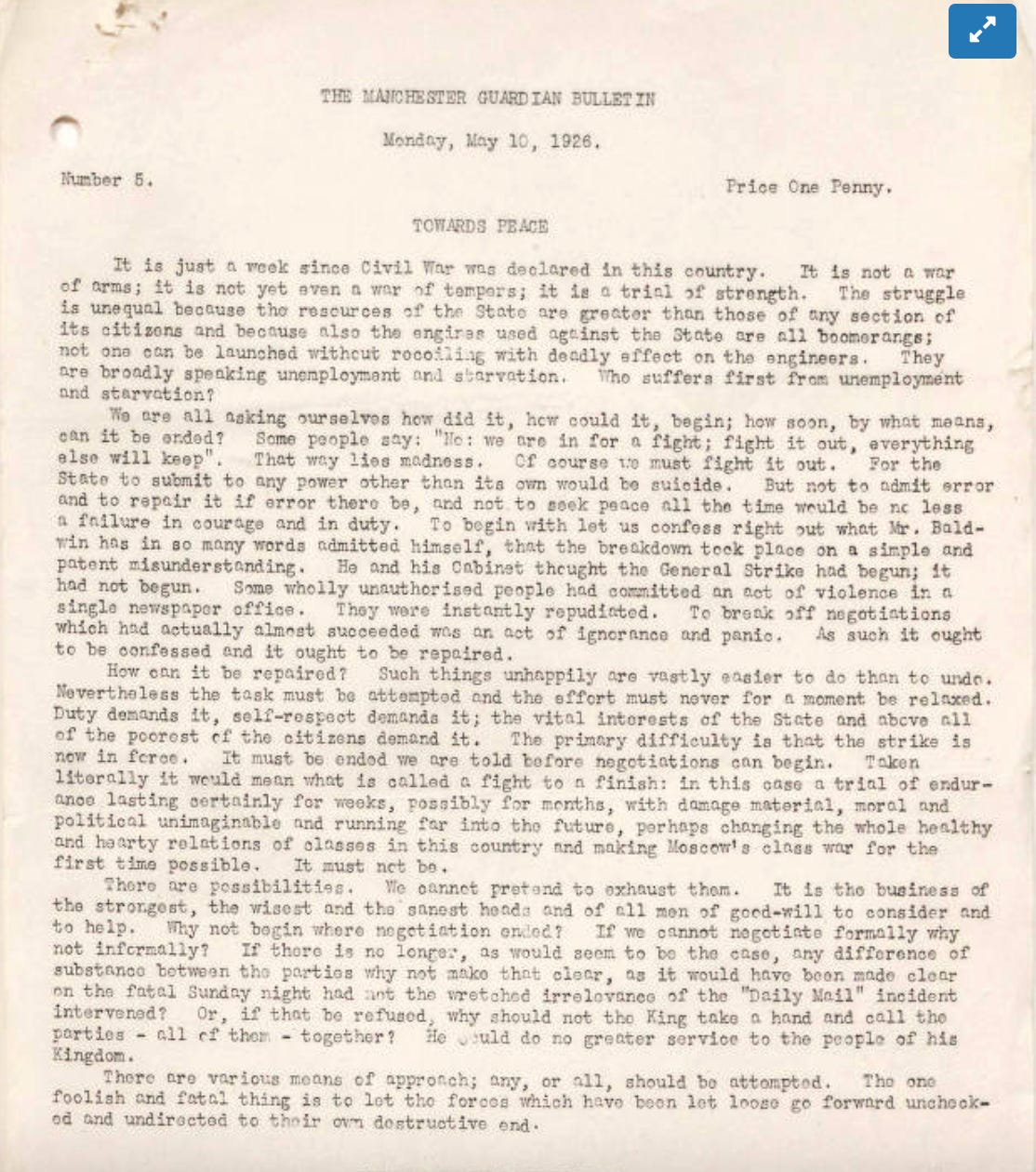
Source: Warwick Digital Collections
Fossil fuels are the new tobacco. It’s time to ban their ads.
Source: Fossiladban
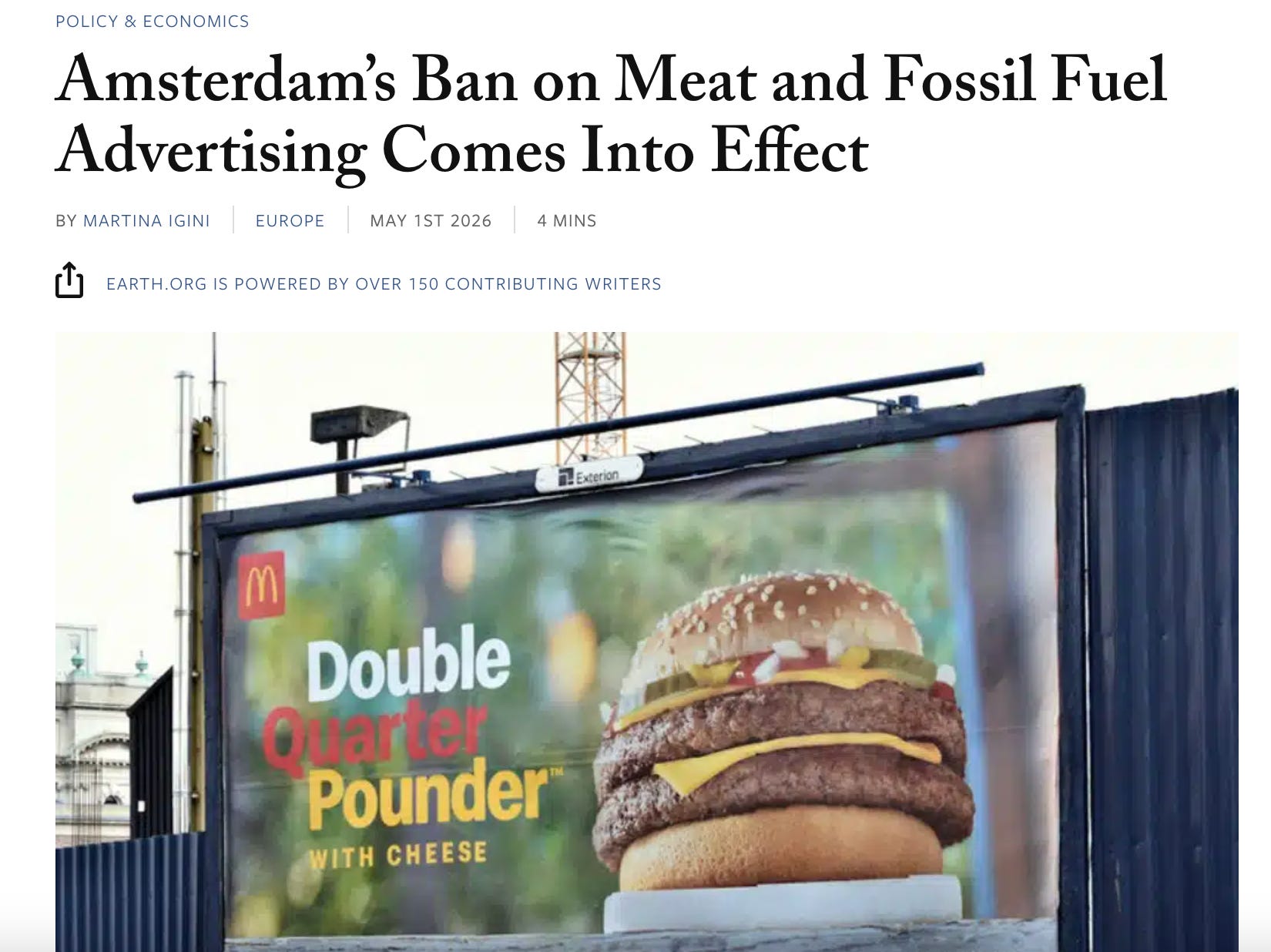
Source: Earth.org
Tuareg nation
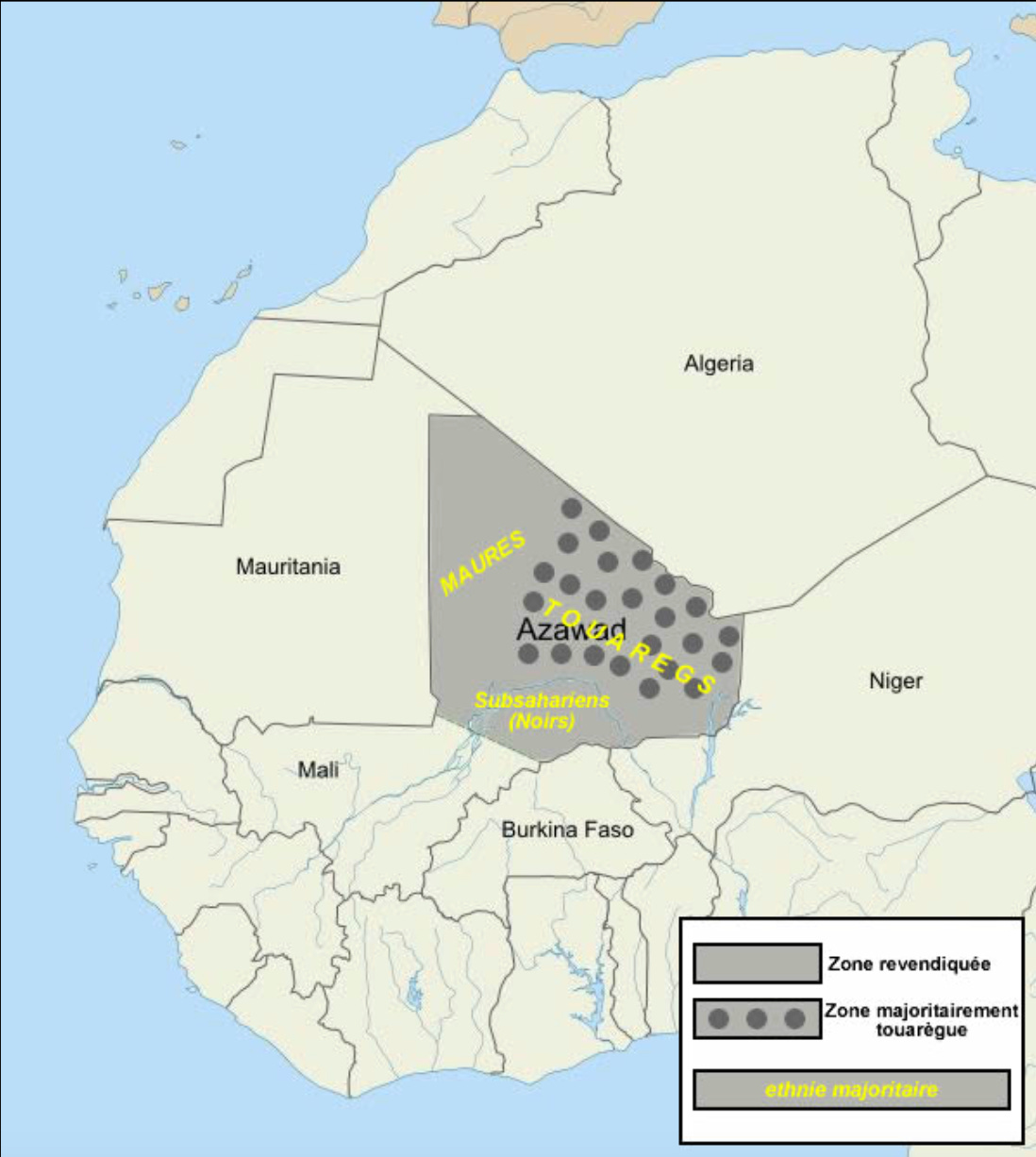
Azawad, (Tuareg: ⴰⵣⴰⵓⴰⴷ; Arabic: أزواد), officially known as the Independent State of Azawad,[1] was a short-lived unrecognised state lasting from 2012–2013. The Azawadian declaration of independence was declared unilaterally by the National Movement for the Liberation of Azawad (MNLA) in 2012, after a Tuareg rebellion drove the Malian Armed Forces from the region.[2]
Azawad, as claimed by the MNLA, comprised the Malian regions of Timbuktu (including present-day Taoudénit Region), Kidal, Gao, as well as a part of Mopti Region,[3] encompassing about 60 percent of Mali’s total land area. Gao is its largest city and served as the temporary capital,[4] while Timbuktu is the second-largest city, and was intended to be the capital by the independence forces.[5]
On 6 April 2012, in a statement posted to its website, the MNLA declared “irrevocably” the independence of Azawad from Mali. In Gao on the same day, Bilal Ag Acherif, the secretary-general of the MNLA, signed the Azawadian declaration of independence, which also declared the MNLA as the interim administrators of Azawad until a “national authority” could be formed.[6] Acherif subsequently became “president of the transitional council”.
The proclamations were never recognised by any foreign entity,[7] and the MNLA’s claim to have de facto control of the Azawad region was disputed by both the Malian government and Islamist insurgent groups in the Sahara. At this time, a rift was developing with the Islamists.[8]
The Economic Community of West African States, which refused to recognise Azawad and called the declaration of its independence “null and void”, warned it could send troops into the disputed region in support of the Malian claim.[9][10]
Tuareg military leader Moussa Ag Acharatoumane, affiliated with the Movement for the Salvation of Azawad, claimed that jihadi groups, and the Ansar Dine in particular, had been in the region of Azawad for 10 years before the circumstances which led to the Azawadian declaration of independence.[11][12]
Locals had heard of their extremist views in respect to sharia then subsequently distanced themselves from the jihadis. Ag Acharatoumane further asserted that the death of Muammar Gaddafi destabilised the political landscape for Sahelians from Mali and Niger to such a degree that it was described as “disastrous”. The Tuareg rebels allegedly went into a “survival mode” for five years after his death which were fraught with socio-political and socioeconomic crises. Disorganised and unaware of moderate militias, some joined jihadi groups but left when acquainted with better options; they aimed to join movements that were “good” in nature and organised for humanitarian causes for the betterment of Azawad. …
On 14 February 2013, the MNLA renounced its claim of independence for Azawad and asked the Malian government to start negotiations on its future status.[15] The MNLA ended the ceasefire in September of the same year after government forces reportedly opened fire on unarmed protesters.
Source: Wikipedia
If you’ve scrolled this far, you know you want to click: