
The Hong Kong Special Administrative Region government will maintain a liberalized, market-driven regime for airline fuel surcharges, while stepping up monitoring of recent sharp increases triggered by tensions in the Middle East, Secretary for Transport and Logistics Mable Chan said Wednesday.
Replying to a query from lawmaker Vivian Kong Man-wai at the Legislative Council, Chan said airlines needed flexibility to adjust ticket prices or increase fuel surcharges to sustain reliable services and “safeguard Hong Kong’s status as an international aviation hub”.
ALSO READ: Asian airlines brace for sky-high jet fuel prices
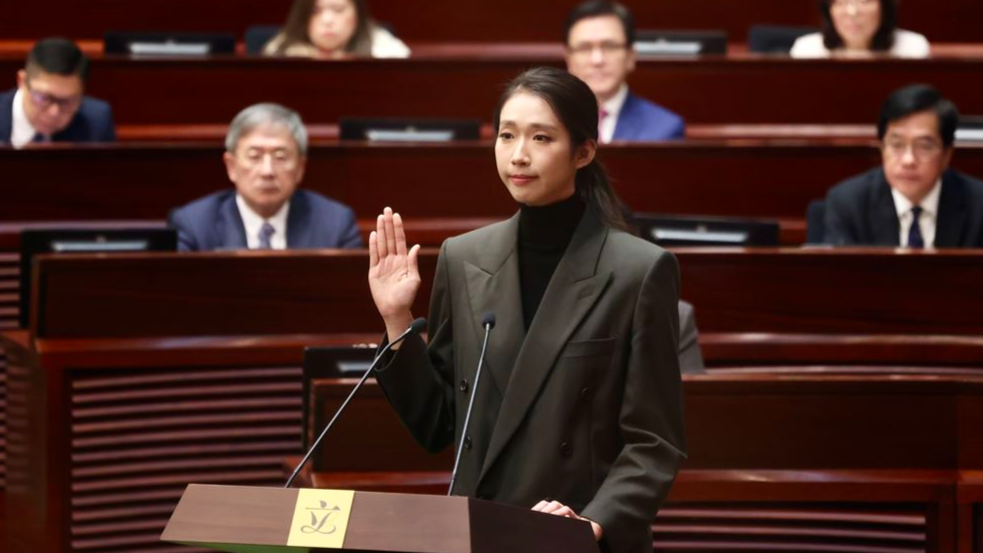
Chan noted that even in jurisdictions where fuel surcharges remain regulated, authorities have also approved increases in response to soaring fuel costs, a trend that has heightened public concern, particularly among travel agencies, which form the core of newly elected lawmaker Kong’s constituency.
Chan said passenger fuel surcharges on flights originating in Hong Kong were deregulated in 2018, and that individual airlines now decide whether to impose a surcharge and at what level, “subject to market competition”, instead of seeking prior government approval.
Responding to concerns over short notice changes, Chan said the Transport and Logistics Bureau maintains close communication with airlines and strongly encourages them to give reasonable notice when adjusting surcharges to minimize disruption to passengers and the tourism sector.
MORE READ: Asia-Pacific scrambles amid oil shock
Recent moves by major carriers underscore the impact of higher fuel prices. Cathay Pacific has twice raised its passenger fuel surcharge in less than a month, lifting per sector surcharges to about HK$389 for short-haul routes, HK$725 for medium-haul flights and HK$1,560 for long-haul services from April 1, after a surge in global jet fuel benchmarks since mid-February. Other local airlines, including Hong Kong Express, Greater Bay Area Airlines and Hong Kong Airlines, have also announced substantial increases.
The SAR government will continue to monitor fuel price movements and airlines’ service provision, Chan said, adding that it has no plan to reintroduce direct price controls as market forces and transparency remain “the best way to keep fares at competitive levels”.